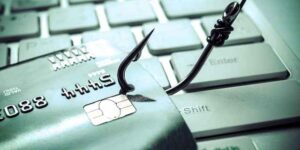
In today’s digital age, protecting personal information has become more critical than ever. With the increasing number of online transactions, emails, and social media interactions, the threat of phishing—an attack where malicious actors trick you into revealing sensitive data—has grown exponentially. While phishing might seem like an isolated attack, its consequences can be devastating for individuals and businesses alike.
The Personal Consequences of Phishing
When a cybercriminal successfully steals your personal and sensitive information through phishing, the ramifications can be immediate and long-lasting. Here’s what can happen:
1. Identity Theft
One of the most severe outcomes of phishing is identity theft. With access to your Social Security number, bank account details, or personal identification information, hackers can impersonate you. They may open fraudulent credit accounts, apply for loans, or even file false tax returns in your name. Recovering from identity theft can take years and severely damage your credit score, often leading to financial turmoil.
2. Financial Loss
Financial fraud is another major consequence of phishing attacks. Hackers who gain access to your banking or payment details can drain your accounts or make unauthorized purchases. Even if you’re able to recover your money through your bank’s fraud protection services, the process can be stressful and time-consuming. For those without adequate protection, the financial damage can be permanent.
3. Reputational Damage
Imagine a scenario where sensitive personal photos, conversations, or information fall into the wrong hands. Hackers often use stolen information to blackmail individuals, threatening to release embarrassing or damaging material unless a ransom is paid. Even if no ransom is demanded, the mere fact that your private life is no longer private can have a lasting emotional toll.
4. Emotional and Psychological Stress
The stress of knowing your personal information is in the hands of a malicious party can be overwhelming. Victims often experience anxiety, fear, and helplessness. Even after resolving the immediate damage, the psychological impact can last for years, as you remain wary of further breaches.
The Broader Impact: How Phishing Can Affect Society
Beyond individual consequences, phishing can have wide-reaching impacts on businesses, governments, and even entire economies. When hackers gain access to sensitive corporate or government data, the fallout can include:
- Economic Disruption: As seen with the Colonial Pipeline attack, phishing can disrupt essential services and cause panic among consumers. Industries such as energy, healthcare, and finance are particularly vulnerable.
- Loss of Trust: When a major company or government agency falls victim to phishing, it erodes public trust. People may become less willing to share their personal information, which can have long-term effects on business operations and efficiency.
- National Security Threats: Phishing attacks targeting government agencies or defense contractors can result in the theft of classified information, posing significant threats to national security.
How to Protect Yourself
Phishing attacks are becoming more sophisticated, but there are steps you can take to protect yourself:
- Be Skeptical of Unexpected Emails: Always verify the sender’s identity, especially if the email contains links or attachments. Our browser extension PhishGuard assist you with this.
- Use Multi-Factor Authentication (MFA): MFA adds an extra layer of security to your accounts, making it harder for hackers to gain access even if they have your password.
- Keep Software Updated: Regularly update your operating systems and security software to patch vulnerabilities that hackers may exploit.
- Educate Yourself: Familiarize yourself with the latest phishing tactics. Cybercriminals frequently adapt, and staying informed is one of the best ways to avoid falling victim.
Conclusion
The consequences of phishing are not limited to financial loss—they extend to personal and emotional damage, as well as broader societal impacts. Protecting your sensitive information is essential in today’s digital world. By staying vigilant and adopting cybersecurity best practices, you can significantly reduce the risk of falling victim to phishing attacks.
Don’t wait until it’s too late—ensure your online security is strong and always be cautious when sharing personal information online.